

The Sun Belt has caught a chill, as some of the nation’s hottest housing markets from a few years ago have cooled substantially.
Take Nashville, Tennessee, for instance. In the first six months of 2022, its median listing price skyrocketed 24%, from $453,000 to $561,468. The peak came in July 2023 ($590,000). Nashville’s listing prices have tailed off since then, with the median falling to $529,000 in March 2026. The eye-popping growth simply wasn’t sustainable.
While the change from seller’s to buyer’s market is perhaps most obvious in the Sun Belt, the real estate market nationwide has shifted during the past couple of years. That ought to have both buyers and sellers reevaluating how they go about these transactions. For sellers, it means they may need to think more realistically and strategically about how they market and price their homes; buyers, however, need to remain vigilant in a market that is suddenly swinging in their favor.
A buyer’s market doesn’t mean you can relax
Miami; Nashville; Austin, Texas; West Palm Beach, Florida; and San Antonio are the strongest buyer’s markets at present, according to a Redfin analysis that compared the number of sellers with the number of buyers in the 50 most populous U.S. metropolitan areas. Their researchers say it’s a buyer’s market when there are over 10% more sellers than buyers. All five of the aforementioned metro areas have at least 100% more sellers than buyers, making them extreme buyer’s markets.
Nationally, Redfin reports there were 46% more sellers than buyers in February, the largest gap in favor of buyers since the dataset began in 2013. But that doesn’t mean buyers can relax in those areas.
The biggest threat to homebuyers in a buyer’s market is allowing a perceived upper hand to lull you into overpaying.
In recent years, there had been a school of thought that almost no price was too high for a home in fast-growing markets such as Austin because home prices would continue to climb. Of course, whether we’re talking about cryptocurrency or a hot housing market, volatility should always be expected.
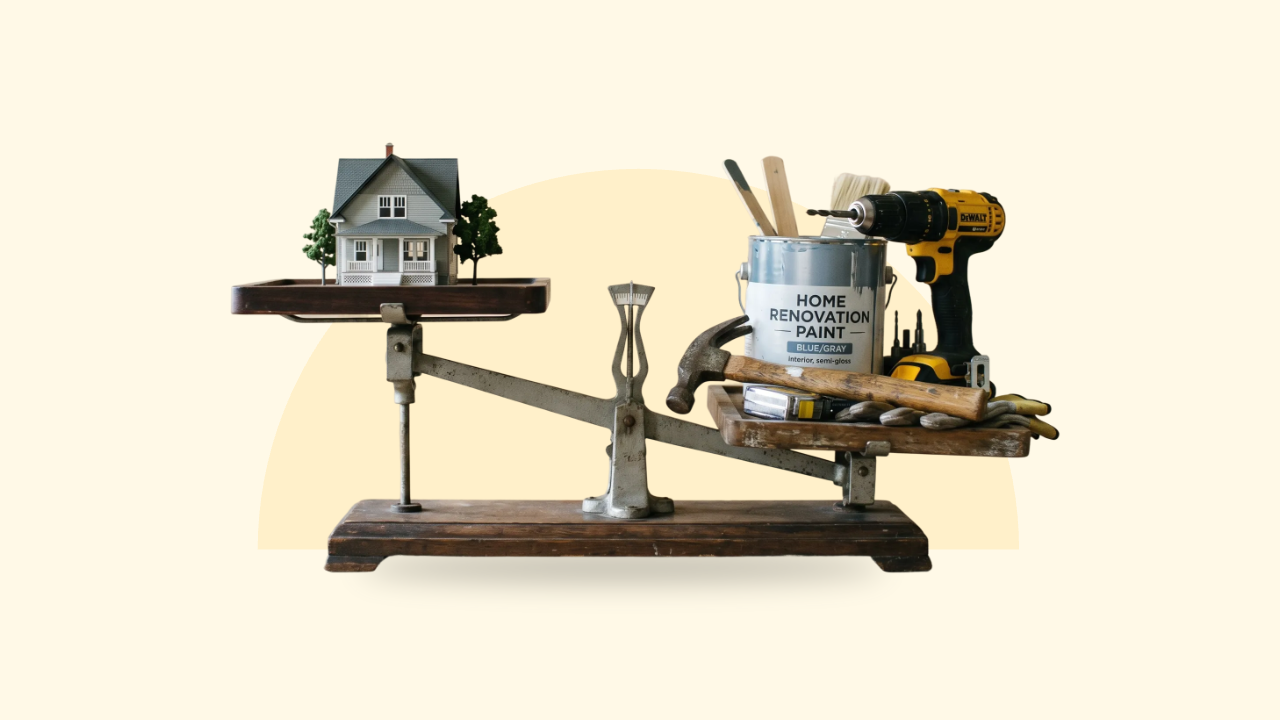
But sellers don’t want to lose money by lowering prices in these areas that have flipped, so they’re getting crafty in ways they don’t have to when they control the market. Sellers are increasingly offering incentives intended to get reluctant buyers off the fence — things like credits for updates such as a new roof, a new furnace, new carpets or fresh paint — but not lowering the sales price.
As a buyer, that means you’re essentially financing those elements over the next 30 years, and you’re sacrificing potential home equity since the sales price remains the same.
It’s a wash for the seller and a win for the real estate agent (since they get a commission on the sales price), but potentially a negative for the buyer in the long run. You run the risk of robbing Peter to pay Paul, incurring a lot more interest over time and potentially overpaying for the house itself.
And it’s not just a potential trap when buying an existing home. Incentives are especially common on new homes. Builders were about twice as likely to offer incentives than price cuts in April, according to the NAHB/Wells Fargo Housing Market Index.
So let the buyer beware. You may have the advantage in most markets these days, but you can’t get careless.
Keep your cool even with economic emotions at play
Buyers may be feeling better in some regions than they were a few years ago, but their overall outlook is far from rosy — and that can add more emotion into an already emotionally charged process like buying a home.
The war in Iran didn’t just force mortgage rates higher, it also caused consumer sentiment to plunge to the lowest level on record, according to the University of Michigan’s popular survey that dates back to the 1950s. Much of that response has to do with higher prices and higher interest rates.
Pending home sales dipped to an all-time low earlier this year, although they have rebounded modestly since. But it makes sense that a lot of people are reluctant to make big purchases — and a home is the biggest purchase most people will ever make — with all the uncertainty and upward price pressure. Still, sometimes you don’t have a choice.
People move for reasons that extend well beyond mortgage rates and home price. Perhaps you need more space to accommodate the birth of a child or you want to move in pursuit of a new career opportunity. With all the emotions of these decisions, as well as those attached to the overall economy, it’s important to remain level-headed and not allow a supposed buyer’s market, alongside those emotions, to pressure you into a snap decision.
Get in the right frame of mind to buy your home
-
- Continue to shop around for your best mortgage rate. A higher rate environment means you have even more to gain by doing your research. Don’t neglect it.
-
- Research your market. Don’t assume the seller has adjusted their sales price to align with the current market. Sellers have emotions that impact their home transactions, too.
-
- Understand what you’re financing. You may be able to picture the home with new paint paid for by a seller’s incentive, but do you want to pay interest on that paint job for 30 years?
-
- Consider the upside. If the home is priced right for the market but the seller is willing to come down $5,000 from their asking price, that’s an instant $5,000 in equity. Conversely, if they won’t come off the price, but offer you $5,000 in redecorating funds, that doesn’t improve your long-term equity.
The bottom line
You need to make the best decision for you and your family. Is this the best time to buy a home in recent memory? Hardly, but it’s getting better for buyers in many areas.
For the housing market to truly accelerate, it will require more inventory and lower mortgage rates. Both will take time. But as the saying goes, all news is local. That’s certainly the case for the U.S. housing market (which is really a collection of local markets). And the adage rings even more true at the household level. Whether this is a suitable time for you to buy a home depends more on your unique family and financial situations than the macroeconomic climate.
In any case, whether buying or selling, it’s easy to let news about the market seep into your mindset as you’re making a huge financial decision. “Buyer’s market,” “Seller’s market,” “hot market,” “cool market” — what truly matters is that you stay focused on your goals, needs and questions. Keep the background noise and emotions out of the decision.
Have a question about the housing market? E-mail me at [email protected] and I’d be happy to help.
Why we ask for feedback Your feedback helps us improve our content and services. It takes less than a minute to complete.
Your responses are anonymous and will only be used for improving our website.
Help us improve our content
Read the full article here