
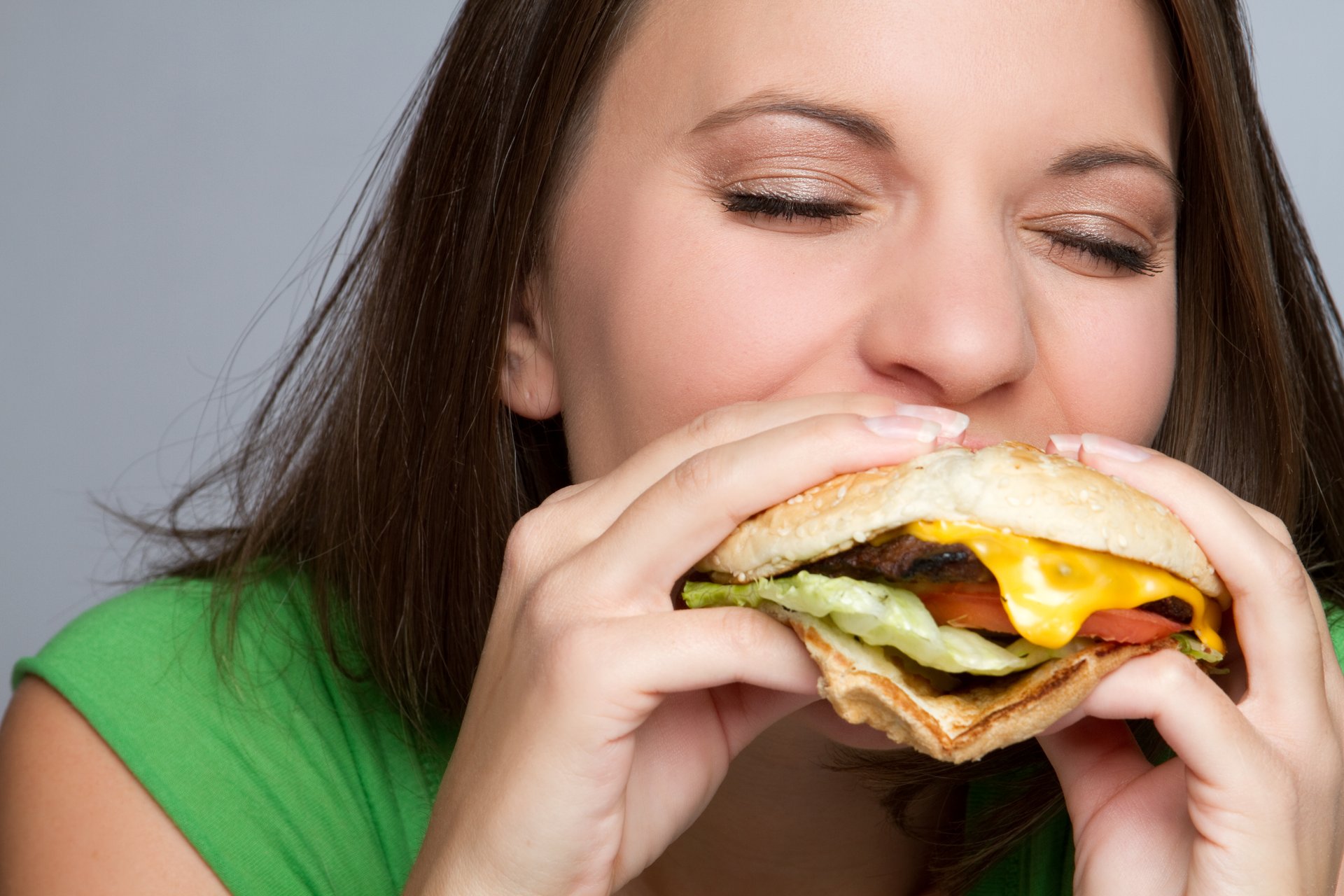

The golden arches and neon signs of the fast-food industry are more than just landmarks — they are architectural evidence of a national habit that shows no sign of slowing.
Despite decades of public health warnings and the rising cost of a “value” meal, roughly one in three Americans eats fast food on any given day. It is an epidemic hidden in plain sight, fueled by a perfect storm of biological addiction, clever marketing, and a convenience culture that prizes speed above almost everything else.
While many assume they know exactly who is idling in the drive-thru lane, the data suggests our assumptions about the “typical” fast-food consumer are likely wrong. This isn’t just a matter of poor choices or limited options; it is a complex intersection of biology and economics that impacts the American waistline and wallet in equal measure.
The surprising demographics of the drive-thru
Public perception often links frequent fast-food consumption to lower-income brackets, but recent data flips that script.
Statistics show that as household income rises, so does the frequency of fast-food consumption. In fact, those in the highest income tier are actually the most likely to eat fast food daily, with about 42% of the “upper class” indulging regularly compared to about 32% of those in lower-income categories.
This suggests that the “fast” in fast food is often more valuable to a consumer than the food itself. For high earners, the time saved by skipping the grocery store and the kitchen is worth the premium paid at the window.
Age also plays a massive role, as nearly 45% of adults aged 20 to 39 eat fast food on any given day, a number that steadily declines as people grow older and perhaps more conscious of their longevity.
Why your brain craves salt and fat
Fast food is engineered to be addictive. It isn’t just a lack of willpower that keeps people coming back; it is a neurological response to high concentrations of salt, sugar, and fat. These ingredients trigger the release of dopamine in the brain — the same reward chemical associated with other addictive behaviors.
When you bite into a mass-produced burger, your brain’s reward center lights up, creating a cycle of dependence that is hard to break. This is especially dangerous for children, whose developing brains are even more susceptible to these triggers.
Beyond the immediate dopamine hit, these ultra-processed foods lack the essential nutrients like fiber, potassium, and vitamin C that the body needs to function, leaving you feeling hungry again shortly after a thousand-calorie meal.
The silent toll on your body
The physical consequences of this epidemic, if that’s what it is, extend far beyond a number on the scale. While obesity is the most visible result, the internal damage is often more localized and severe. Regular consumption of trans fats and high sodium levels can lead to atherosclerosis (clogged arteries), essentially turning the heart into a ticking time bomb.
Recent research has also shed light on how these foods devastate the gut microbiome. A diet high in ultra-processed items promotes the growth of harmful bacteria while killing off the helpful ones that regulate mood and immunity. This imbalance can lead to chronic inflammation, which is a gateway to more serious conditions like nonalcoholic fatty liver disease and type 2 diabetes.
Counting the cost beyond the menu
The financial argument for fast food is also beginning to crumble. While it was once the cheapest way to feed a family, the cost of these meals has skyrocketed, with some chains raising prices much faster than the general inflation rate. A meal for a family of four can easily eclipse the cost of a home-cooked dinner featuring fresh produce and lean protein.
However, the convenience factor remains a powerful lure. In a culture where being busy is a badge of honor, the ability to get a meal in 15 minutes without doing the dishes is a seductive proposition. We aren’t just paying for the calories; we are paying for the time. But when you factor in the long-term medical costs associated with heart disease and diabetes, that 15-minute time saving may become one of the most expensive investments a person can make.
If you want to cut expenses on eating out, travel, eyeglasses, prescriptions and more with AARP — Just $15/year with auto-renewal. Join now and save hundreds.
Rethinking the convenience culture
Breaking the cycle requires more than just a diet; it requires a shift in how we value our time and our health. The fast-food industry relies on our exhaustion and our desire for a quick fix. By recognizing that even those with the most resources are falling into this trap, we can stop viewing it as a personal failing and see it as a systemic health crisis.
Choosing to slow down and prioritize whole foods is a radical act in a fast-paced society. It is an investment that pays dividends not just in a healthier weight, but in a more resilient body and a more stable financial future. The drive-thru might be the path of least resistance, but it is rarely the path to a life well-lived.
Another way to get ahead of health issues is Life Line Screening, which reveals hidden risks so you can act early. Book a screening today and have peace of mind.
Read the full article here