


Tourists looking to stay overnight at hotels on the Grand Canyon’s South Rim are out of luck, as authorities say a “series of significant breaks” in a 12.5 mile-long water pipe forced hotels to close.
The National Park Service said the closures will begin on Dec. 6 and noted that there is no water being pumped into the South Rim because of the breaks in the Transcanyon Waterline, which supplies water from the canyon for use in the park.
The South Rim has been experiencing challenges with its water supply since mid-November, according to the National Park Service.
“Effective Saturday, December 6, all park concessions will halt overnight accommodations. This includes hotel facilities operated by Xanterra, such as El Tovar, Bright Angel Lodge, and Maswik Lodge, as well as Delaware North’s Yavapai Lodge and Trailer Village. Overnight hotel accommodations located outside the park in the town of Tusayan will not be impacted by changes in park operations,” the National Park Service said in a statement.
TRAVEL CHAOS ERUPTS AFTER MARRIOTT-BACKED HOTEL CHAIN PLANS BANKRUPTCY: REPORT
While the overnight accommodations are closing, the park will remain open for visitors during the day. Additionally, food and beverage services, the Grand Canyon Clinic and the Post Office will remain open.
The National Park Service said that “dry camping” would be permitted, but warned that spigot access at the Mather Campground on the South Rim would be turned off. Bathroom faucets will remain operational. Campers can get access to a water spigot at the Camper Services Dump Station.
In addition to the overnight lodging closures, there will be fire restrictions in the area, the National Park Service announced. Under the restrictions, outdoor wood burning and charcoal fires are prohibited. This includes campfires, waring fires and charcoal barbecues.
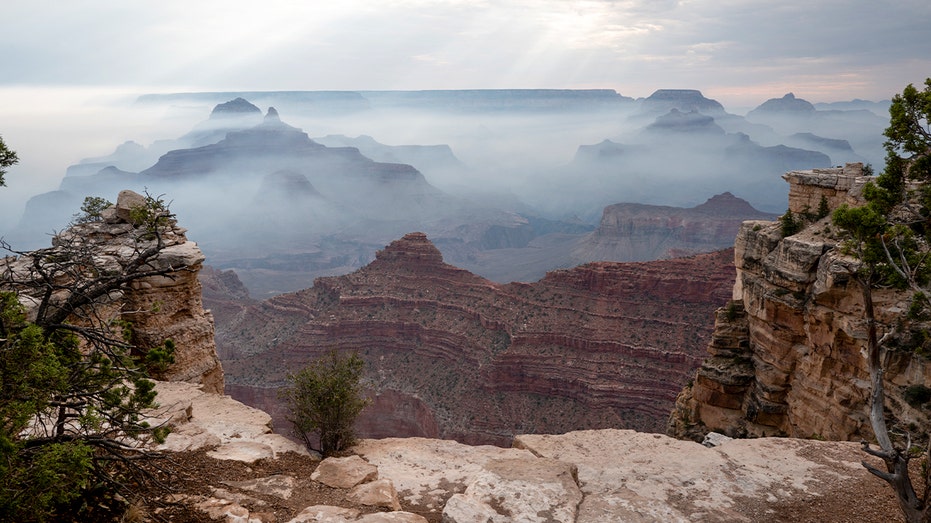
WILDFIRE SHUTS DOWN GRAND CANYON’S NORTH RIM, STRANGLING TOURISM IN ARIZONA-UTAH TOWNS
“Residents are being asked to help conserve water by limiting showers to five minutes or less, turning off faucets while shaving or brushing teeth, flushing toilets selectively, washing laundry with full loads, and reporting leaks to the appropriate offices,” the National Park Service said.
Hikers in the backcountry are advised to either carry all necessary water or methods for treating water.
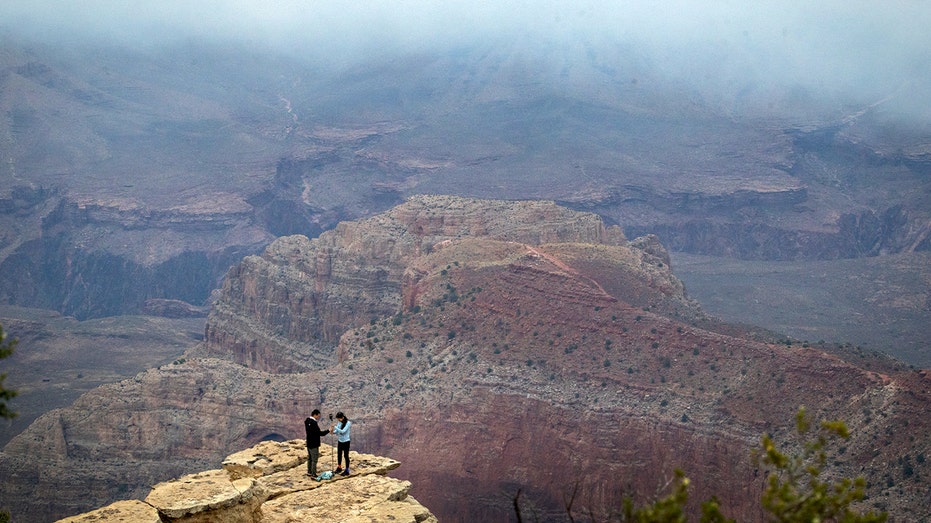
The Transcanyon Waterline, which was built in the 1960s, has “exceeded its expected lifespan and experiences frequent failures,” according to the National Park Service.
The failures require costly maintenance work that the National Park Service says is “continuous.” In 2023, the service began its $208 million rehabilitation effort on the waterline as well as “upgrades to the associated water delivery system.” The National Park Service said the project is expected to be finished in 2027.
Read the full article here