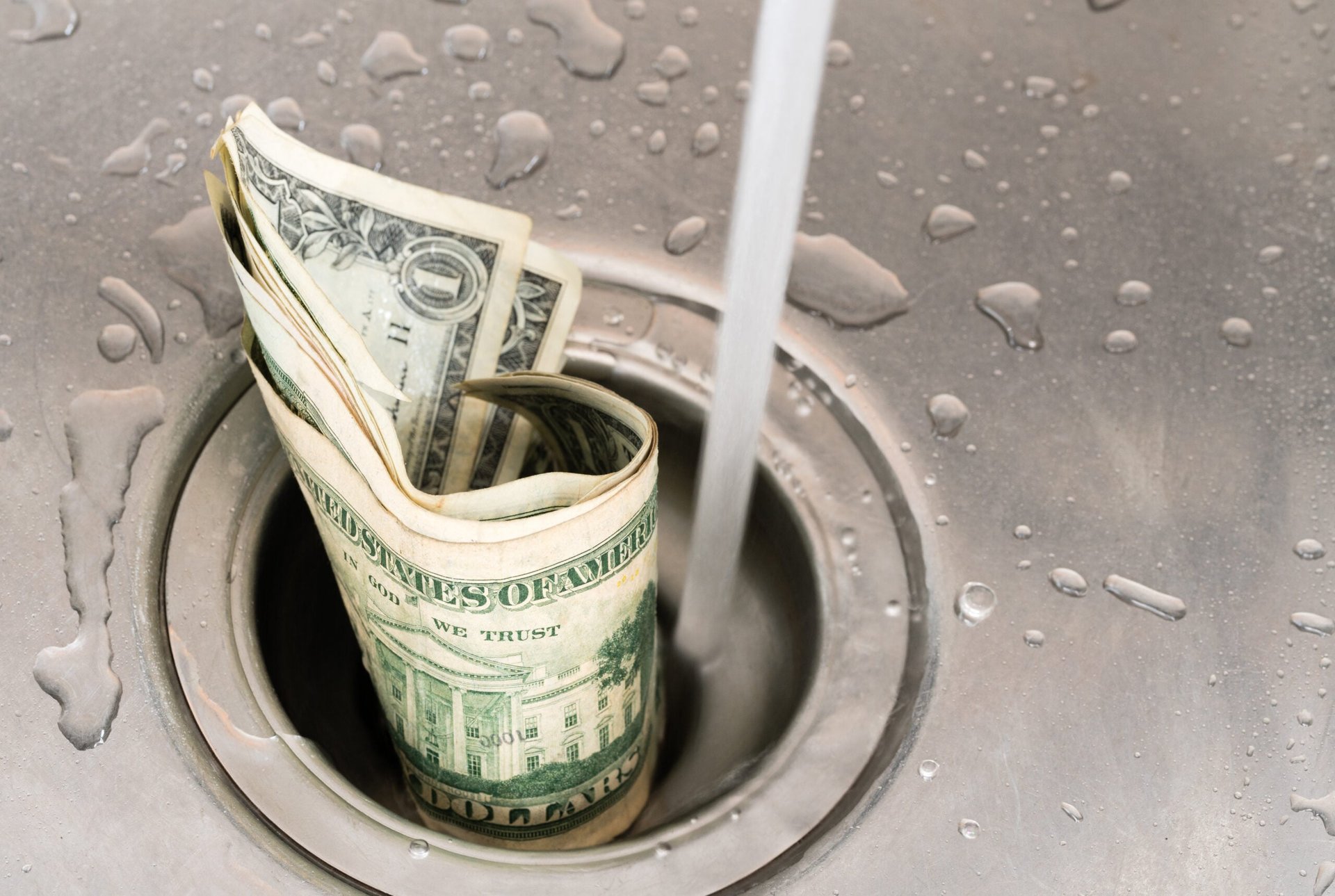

Hiring a professional to swing a hammer or twist a wrench has never been more expensive.
Recent data shows that the average handyman service visit now typically falls between $175 and $680, depending on your location. By the time the actual repair is finished, you’re often looking at a bill north of $400 for tasks that require no specialized degree and very few tools.
Inflation in the service sector has remained sticky, and as labor costs rise, the gap between the price of parts and the price of expertise continues to widen. However, most common household headaches don’t require a master plumber or a licensed contractor.
If you can follow a few minutes of video instruction, you can keep hundreds of dollars in your pocket by mastering home repairs you can do in minutes.
Here are five basic home repairs you should stop outsourcing immediately.
1. Replacing a leaky toilet flapper
If you hear your toilet “ghost flushing” or running constantly, the culprit is almost always a worn-out rubber flapper. It’s a job that sounds intimidating to the uninitiated but actually requires zero tools and about 10 minutes of your time.
A new flapper costs less than $20 at any hardware store. Meanwhile, a plumber or handyman will likely charge you $150 to $200 for the same 10-minute fix. To do it yourself, you simply turn off the water valve behind the toilet, flush to empty the tank, and swap the old rubber piece for the new one. This is one of many DIY skills that save you money over the life of your home.
2. Clearing a clogged P-trap
When a bathroom sink starts draining slowly, most people reach for a bottle of caustic chemicals or the phone. Chemical cleaners often fail to move heavy clogs and can damage your pipes over time. The better solution is to manually clear the P-trap — the U-shaped pipe directly under your sink.
The P-trap is designed to be removed by hand. You simply place a bucket underneath, loosen the two slip nuts by turning them counterclockwise, and dump the debris into the bucket. Once it’s rinsed out and tightened back into place, your sink will drain like new. You’ve just saved a $150 plumbing service fee for the price of a little soap and water.
3. Swapping a dated showerhead
Upgrading your showerhead is one of the easiest ways to improve your daily routine, yet some homeowners pay for installation when buying a new unit. Unless you are moving plumbing lines behind the wall, this is a simple screw-on, screw-off task.
All you need is a pair of pliers and some thread seal tape, which usually costs about $2. You wrap the tape around the threads of the shower arm to ensure a water-tight seal and hand-tighten the new head into place. It takes less than five minutes and avoids the $150 minimum fee many handymen charge for small install jobs.
4. Patching small drywall holes
Small holes from door handles, nails, or wayward furniture don’t require a professional to mud and sand for hours. For holes under two inches, a self-adhesive mesh patch and a small tub of lightweight spackle are all you need.
You apply the patch, spread a thin layer of spackle over it with a putty knife, let it dry, and lightly sand it smooth. While a professional might charge $75 to $250 for minor drywall repairs, staying on top of easy five-minute fixes keeps your walls pristine for the cost of a few lattes.
5. Replacing the furnace filter
This is the ultimate maintenance task that HVAC companies love to charge for during annual inspections. While the filter itself may only cost $15 to $30, having a technician do it can easily double or triple that cost when factored into a service call.
Locating your filter slot is usually as simple as looking at the return air duct or the side of the furnace cabinet. You slide the old one out, check the airflow arrow on the side of the new one, and slide it in. Forgetting this step is one of the most common home maintenance mistakes to avoid, as a clean filter prevents the $1,000+ repair bills that come from a choked system.
Read the full article here